Animation has a unique ability to explain, engage and persuade; especially when the goal isn’t just awareness, but changing what people actually do.
In recent years, we’ve seen animation move far beyond children’s TV or explainer videos. It’s now one of the most effective tools for public-sector campaigns, charities and purpose-led brands looking to communicate complex ideas in a way that feels human, accessible and memorable.
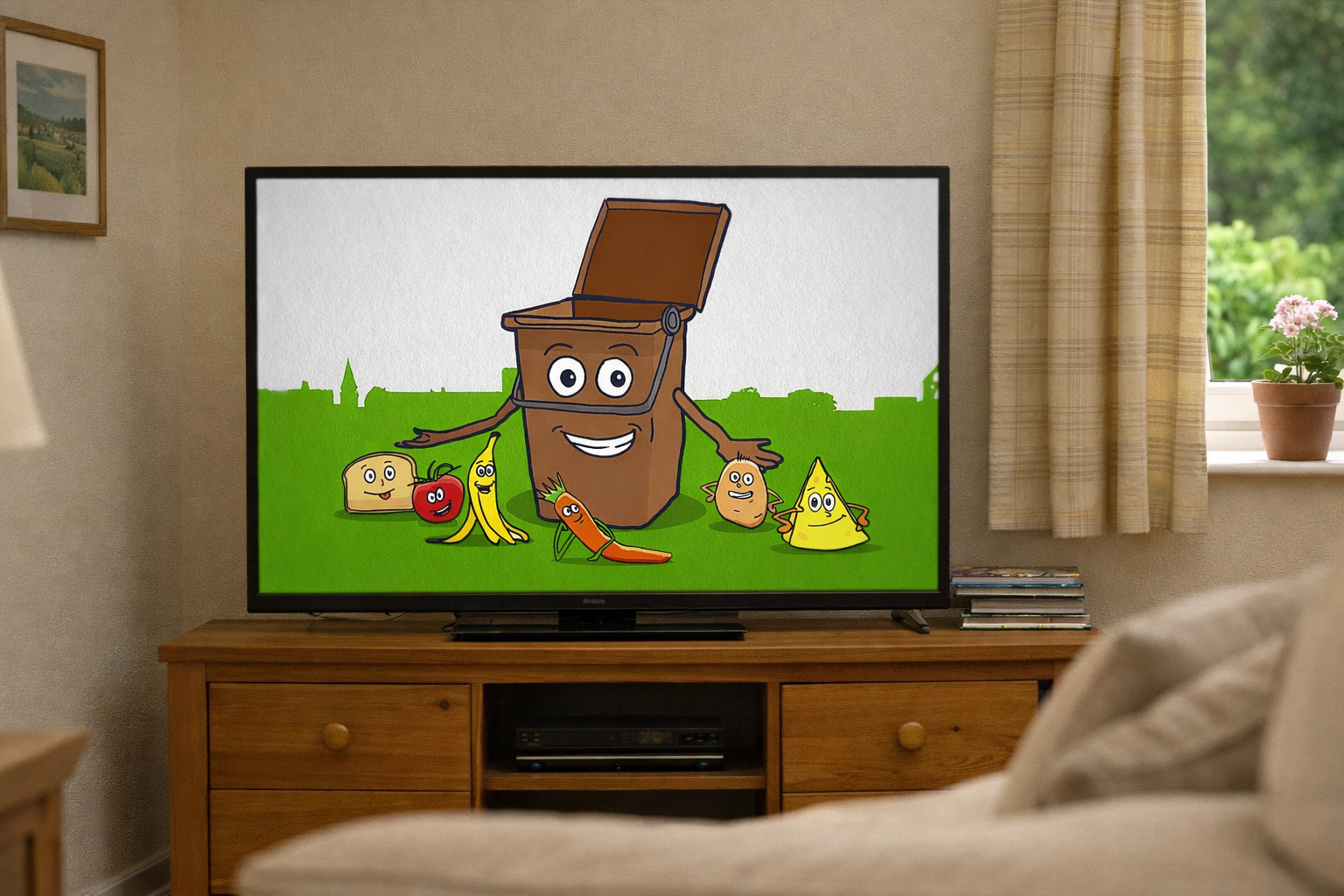
A recent food waste campaign we created for Somerset Council is a good example of why animation works so well in this space.
Animation removes barriers before the message even lands
One of animation’s biggest strengths is that it feels non-threatening.
When people encounter a campaign about recycling, waste, health or social responsibility, there’s often a split-second reaction of resistance:
“This isn’t for me.”
“I already know this.”
“I’ll deal with it later.”
Animation softens that reaction.
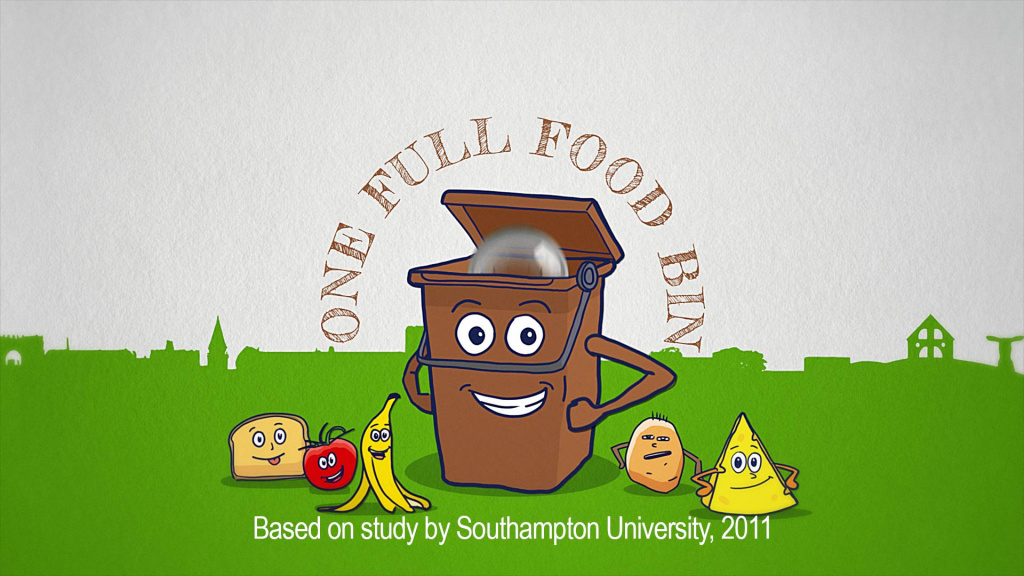
Characters, colour and movement lower people’s defences. They invite attention rather than demand it. In the Somerset food waste campaign, friendly animated characters helped turn a potentially dry or instructional topic into something people were willing to watch — and crucially, stay with.
Complex messages become simple stories
Behaviour-change campaigns often have to do several things at once:
- Explain why something matters
- Show how to do it
- Make it feel achievable
- Encourage action
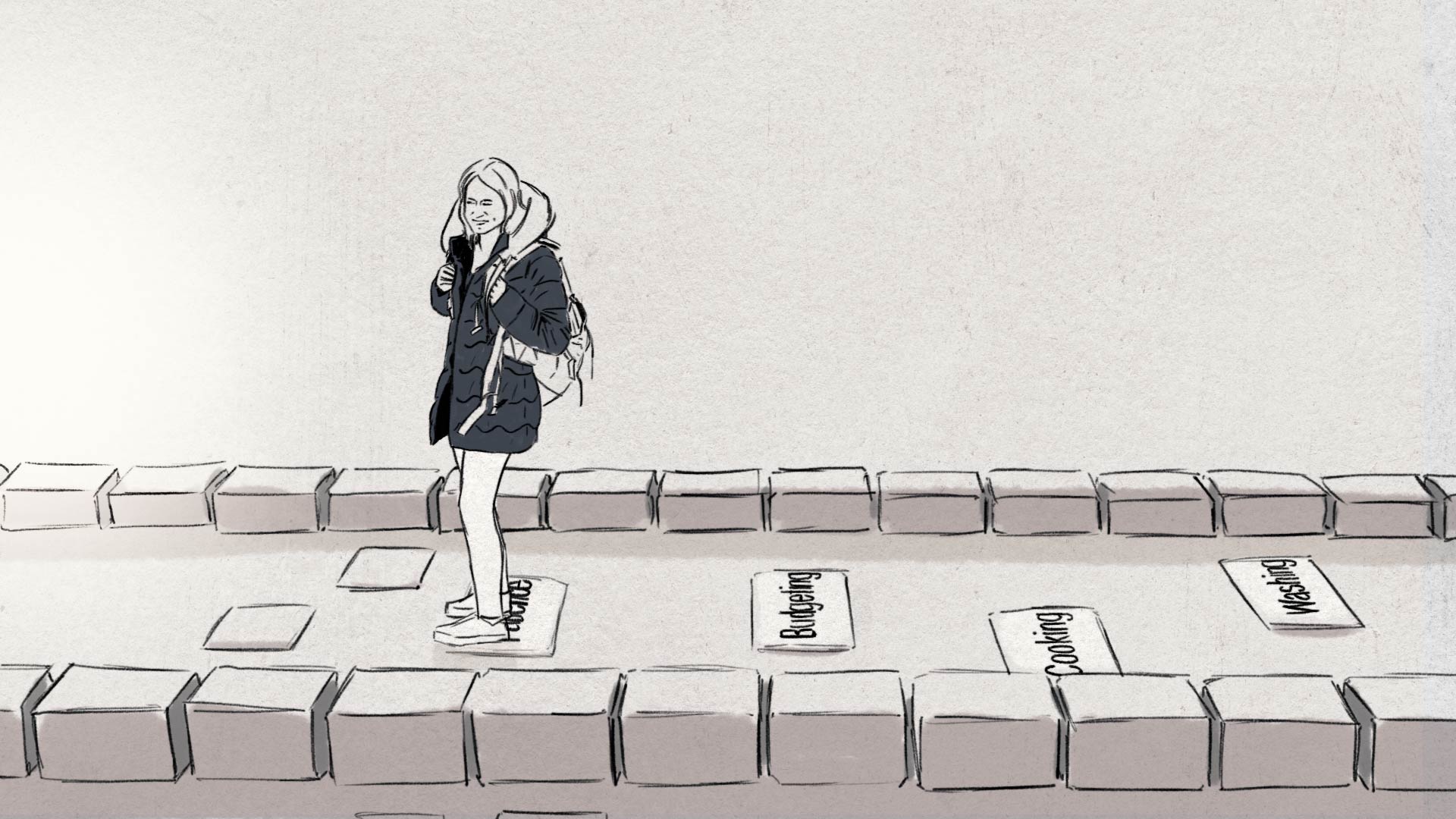
Animation excels at this because it isn’t bound by reality. We can show ideas, processes and consequences visually, without needing to stage real-world scenarios or rely on heavy narration.
In this campaign, animation allowed us to:
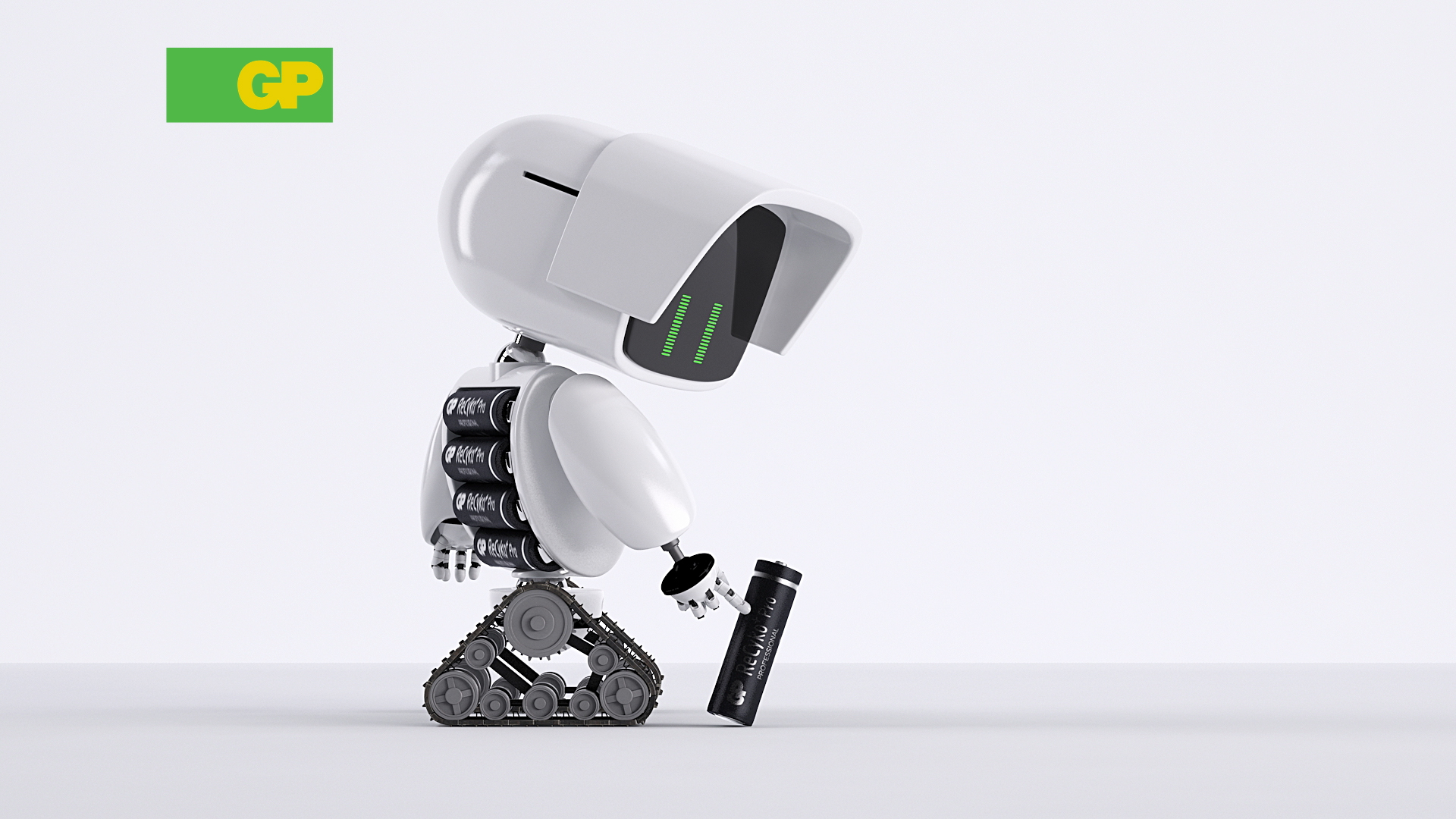
- Personify food waste in a way that was clear and memorable
- Visually demonstrate correct behaviour without lecturing
- Keep the tone positive and practical rather than guilt-driven
That clarity is one of the reasons animated campaigns often perform well across multiple platforms, from TV and YouTube to short-form social video.
Animation performs across platforms — not just one
One of the biggest advantages of animation is flexibility.
For this campaign, a single creative idea was adapted into:
- A longer hero film
- Broadcast-ready cut-downs
- Portrait and short-form social videos
The same characters, style and message worked across YouTube, ITVX and Facebook — each platform playing a different role in the overall campaign.
Longer formats helped build understanding and trust. Shorter clips delivered quick reminders and clear calls to action. Because everything was animated, the campaign felt cohesive rather than fragmented.
That kind of consistency is much harder (and more expensive) to achieve with live-action.
Engagement isn’t just about views — it’s about action
It’s easy to focus on headline numbers like impressions or views, but for behaviour-change campaigns, the real question is:
Did people do something differently as a result?
Animation helps here because it makes messages easier to process and remember. When people later encounter the same characters or visuals — whether on social media or a council website — the message feels familiar. That familiarity reduces friction and makes action more likely.
In this campaign, strong engagement across platforms was supported by meaningful next steps: visiting the council website, ordering a food bin, and ultimately changing everyday habits around food waste.
Why animation is particularly effective for public-sector campaigns
For councils and public bodies, animation offers some distinct advantages:
- It avoids issues of representation and casting
- It feels inclusive and accessible to a wide audience
- It’s brand-safe and future-proof
- Assets can be reused, updated or adapted over time
Most importantly, it allows serious messages to be delivered with warmth and humanity, without losing credibility.
In summary
When done well, animation isn’t just eye-catching: it’s strategic.
It helps people understand complex ideas, lowers resistance, works across platforms and supports genuine behaviour change. For organisations trying to communicate important messages clearly and cost-effectively, animation can be one of the most powerful tools available.
And when animation is treated with the same care as live-action — in writing, performance, timing and craft — it doesn’t feel like a compromise. It feels like the best choice.