01
Behaviour change
Translate evidence and policy objectives into human messages people can recognise and act upon.
Alongside our work with businesses and brands, AdIQ helps councils and public-sector teams turn complex briefs into clear, accessible campaigns that inform communities, change behaviour and generate action.
Public-sector campaigns have to make sense to residents, stakeholders, service teams, media owners and procurement—often at the same time.
AdIQ combines senior creative direction, production and media planning in one direct relationship. We help identify the central behaviour or response the campaign needs, then build the clearest practical route towards it.
Translate evidence and policy objectives into human messages people can recognise and act upon.
Reach difficult-to-find candidates with honest creative, intelligent targeting and a credible next step.
Make unfamiliar services easier to understand without flattening important detail or nuance.
Join film, radio, outdoor, print, digital and community activity around one recognisable proposition.
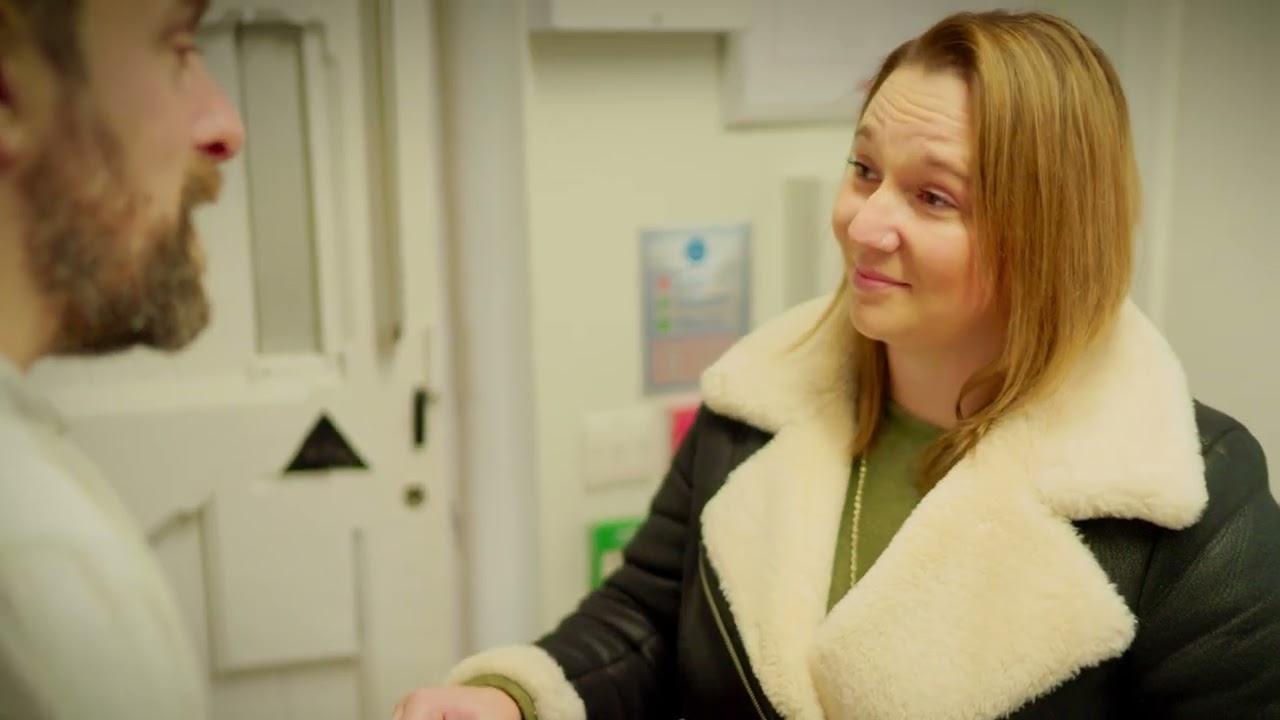
Fostering in Somerset is a long-term recruitment partnership, not a single advert. AdIQ has helped shape the campaign strategy and delivered film, television, radio, outdoor, print, digital and media planning around the real questions prospective carers ask.
Across six years, the campaign has recruited foster carers at approximately a quarter of the government-reported cost benchmark.
Our Story was shortlisted for Campaign of the Year at the 2026 LGC Awards. The earlier Theo's Story campaign was Highly Commended in the same category in 2022.
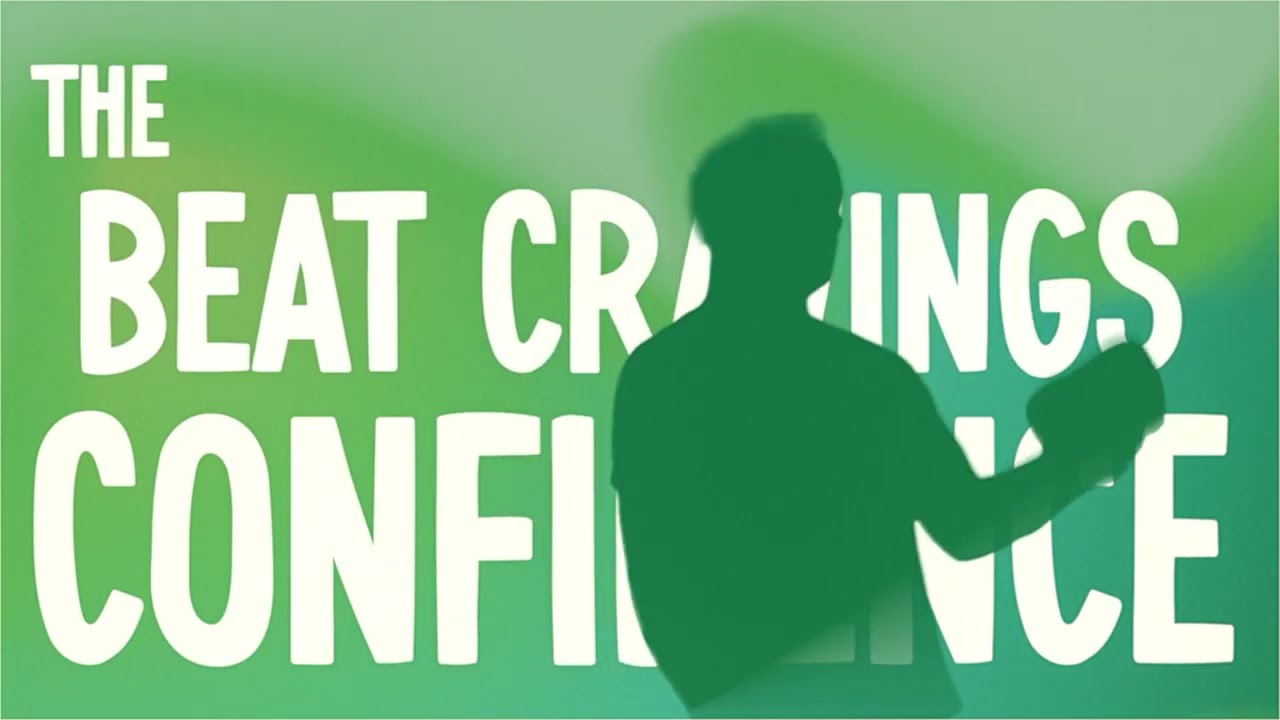
AdIQ created the film campaign promoting Smokefree Somerset's quitting app: support designed to be available when an individual actually needs it.
The work focused on familiar moments and a simple behaviour—pause before reaching for a cigarette, then reach for the app instead. AdIQ is returning to the campaign for its next phase in November.
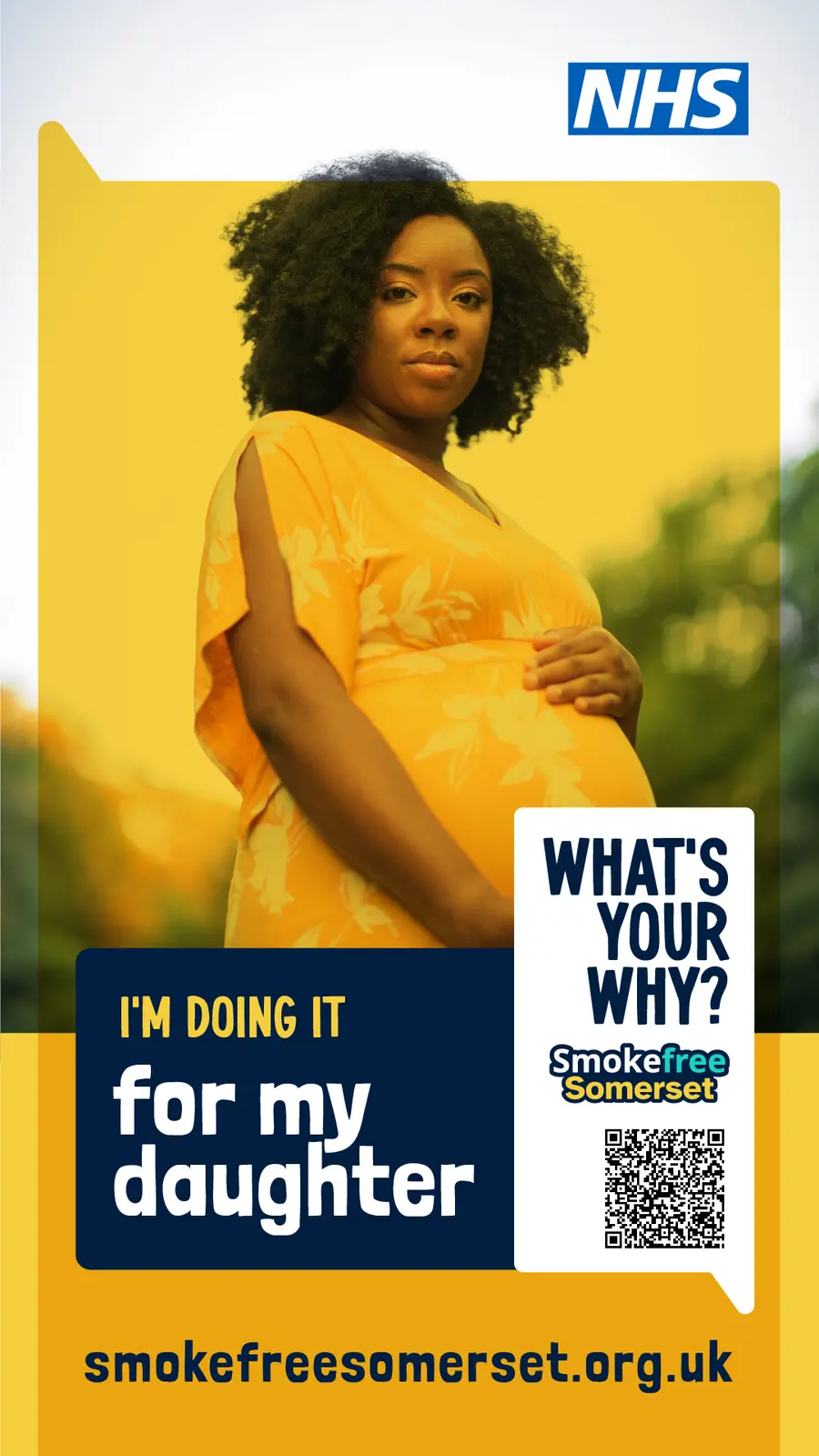
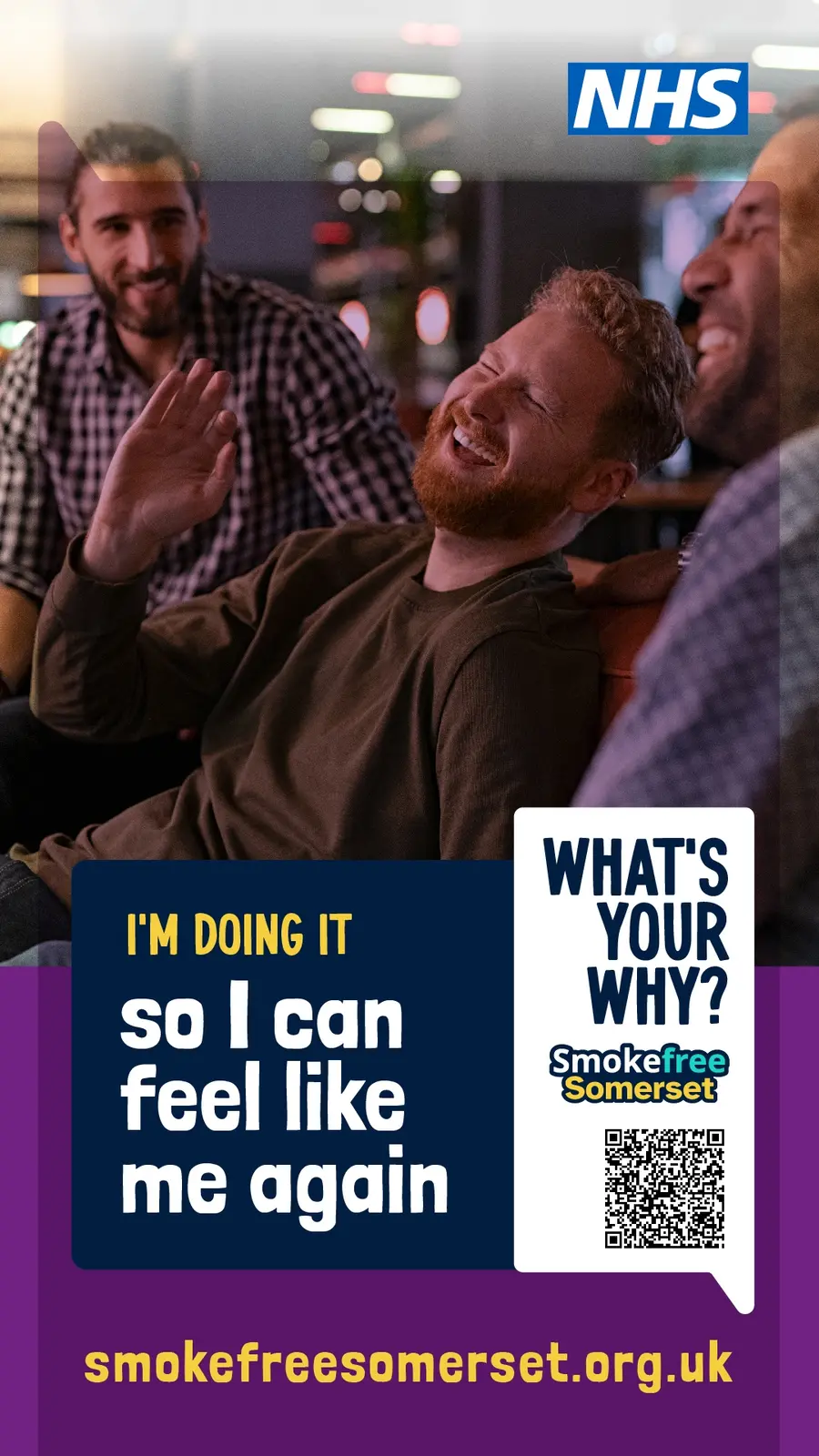
For the wider What's Your Why? campaign, AdIQ wrote the radio commercial and planned and managed the radio and out-of-home media.
The campaign gives people an immediate, personal reason to consider quitting and carries a consistent call to action across audio and outdoor environments.
D6 and D48 creative design: Zoe Grimes, Every Day Pioneers.
AdIQ created a series of films designed to support social workers with complex professional subjects in a clear, useful and human way.
The work was produced in English and Welsh. Its usefulness extended beyond the council: the films have also been used by social-work agencies and universities as continuing professional development and learning material, including on suggested reading lists.
This is the kind of public-sector work we value—content created for a defined operational need that remains useful long after its initial release.
Good public-sector work needs imagination, but it also needs clarity about costs, approvals, access, delivery and results. Those disciplines should strengthen the campaign rather than sit beside it.
Clear separation of production, media investment and management, with recommendations tied to the objective.
Creative and formats considered for different audiences, environments, accessibility needs and routes to response.
Experience coordinating stakeholder approvals, broadcasters, Clearcast and the practical details required to launch.
Work directly with a senior creative and media professional, without layers of account handling.
Agree useful indicators early, put tracking in place and report results in language stakeholders can use.
Advertising IQ Ltd is registered on Find a Tender and can provide the company and supplier information required for quotations and procurement.
Clarify what people should understand, feel or do—and what success can realistically look like.
Find the simplest truthful thought capable of holding the campaign together.
Give each useful channel a specific role across attention, explanation, reassurance and action.
Coordinate production and media, monitor response and turn results into useful next decisions.
You do not need a completed brief or confirmed media plan. Tell us where the work currently stands, who needs to be reached and what needs to change.